Crisps chain
Safe foodTheir favourite plain crisps
Small changeA similar crisp in an orange colour or flavour
New foodBaked sweet potato crisps
 October 2026
A calmer note for parents navigating restricted eating
This month
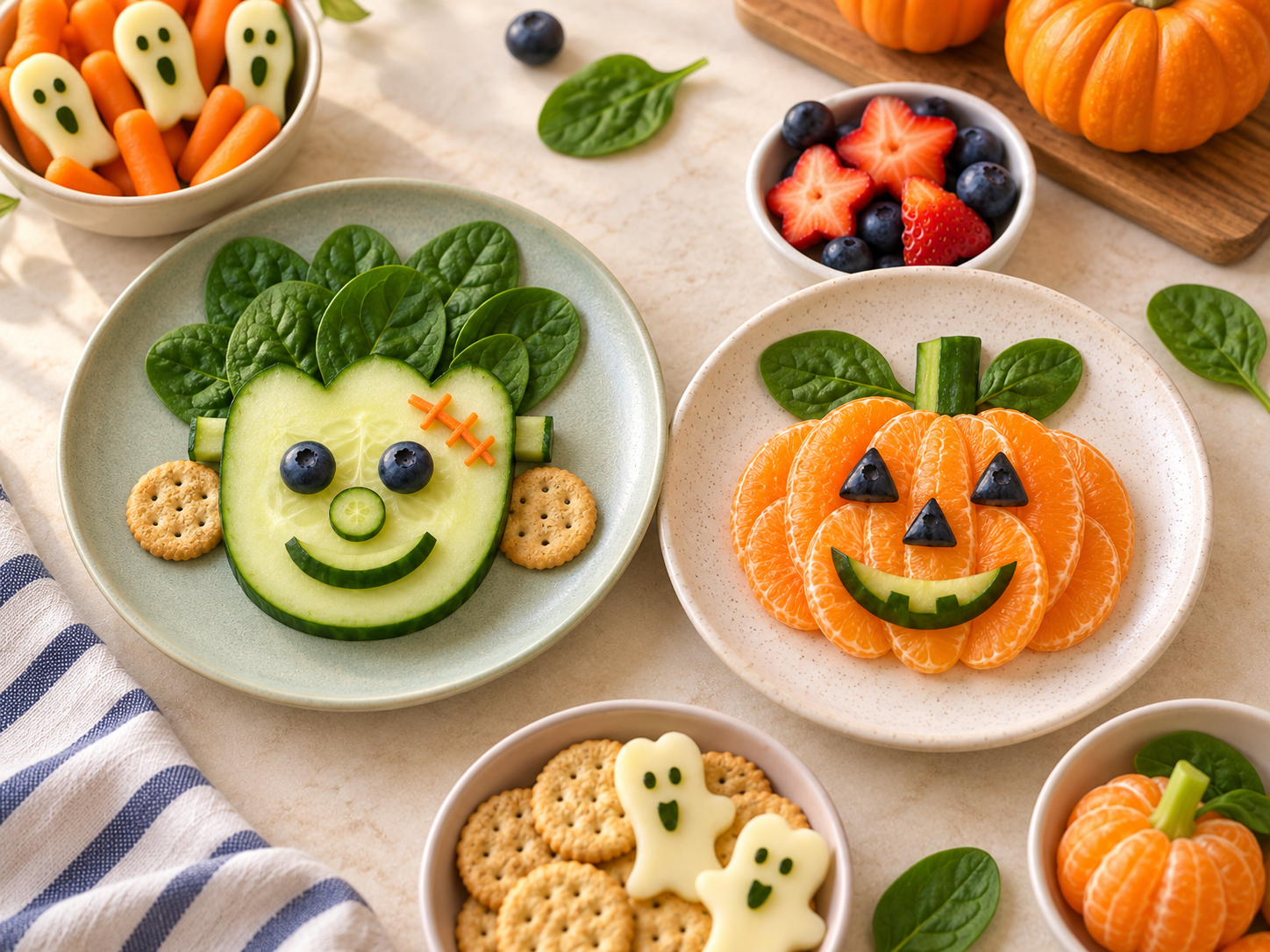
Picky eating or something more · exploring food without eating it · a simple soup to make together · food chaining from safe foods · Halloween without the battle
A note from Iwona
I'm Iwona, a paediatric dietitian. I've spent over ten years supporting children who find eating hard: children with a small list of "safe" foods, children who gag at new textures, and children for whom mealtimes feel scary rather than fun.
My caseload includes children with an ARFID diagnosis, and I work in joint feeding clinics with speech and language therapists. I've completed the British Dietetic Association's Advancing Dietetics in ARFID training, and I'm trained in the SOS Approach to Feeding.
I started this newsletter because so many parents tell me the same thing: "I feel like I'm doing it all wrong." You're not. Feeding a selective eater is one of the hardest parts of parenting, and there's a lot of confusing (and guilt-inducing) advice out there.
Once a month, I'll send you
One question parents often ask me, answered simply
Small, low-pressure ideas you can try at home
A gentle reminder that you're doing better than you think
No judgement, no lectures, and nothing your child has to eat.
This month's questionPicky eating is very common, especially between the ages of 2 and 6. It's a normal stage for many children: growing independence and natural caution around new foods make them wary.
Some of these children have what's called ARFID (Avoidant/Restrictive Food Intake Disorder) or a paediatric feeding disorder. These aren't about being "naughty" or "fussy". They're often linked to sensory differences, anxiety or a difficult early experience with food.
If this sounds familiar, please speak to your GP or health visitor. You're also welcome to email me at hello@thesensorydietitian.com. I read every message.
 Explore, don't eat
Here's something that surprises many parents: a child learns about food long before they eat it. Looking, touching, smelling and even squishing all count as steps towards eating. For a sensory eater, those steps often matter more than the bite itself.
This isn't about getting your child to eat pumpkin one day. It's about helping their senses get used to a new food, calmly and at their own pace. Every look, sniff and squish builds confidence that will help with all foods, not just this one.
Sight
Bright orange, round, a bumpy stem
Touch
Smooth skin, slimy strings, slippery seeds
Smell
Earthy, fresh, a little sweet
Sound
A hollow knock, a spoon scraping
Scoop the insides. Offer hands, spoons or tongs, whatever your child feels comfortable with. Tongs are a great "safe distance" option for children who dislike messy hands.
Seed sorting. Wash and dry the seeds, then count them, line them up or sort them into pots.
Pumpkin printing. Cut a small pumpkin in half, dip it in paint and print on paper.
Describe it together. Smooth or bumpy? Heavy or light? Cold or warm? Use describing words rather than "yummy" or "yucky". Describing food builds curiosity without pressure.
Can your child find these in the kitchen or at the shops? Spotting them counts. Touching or sniffing them is a bonus.
Carrot · Satsuma · Sweet potato · Butternut squash · Orange pepper
Tip: if your child only wants to watch, that's okay. Watching is taking part.
Cooking togetherChildren who help prepare food are often more relaxed around it, even if they don't taste it. Cooking is a gentle way to spend time near a new food.
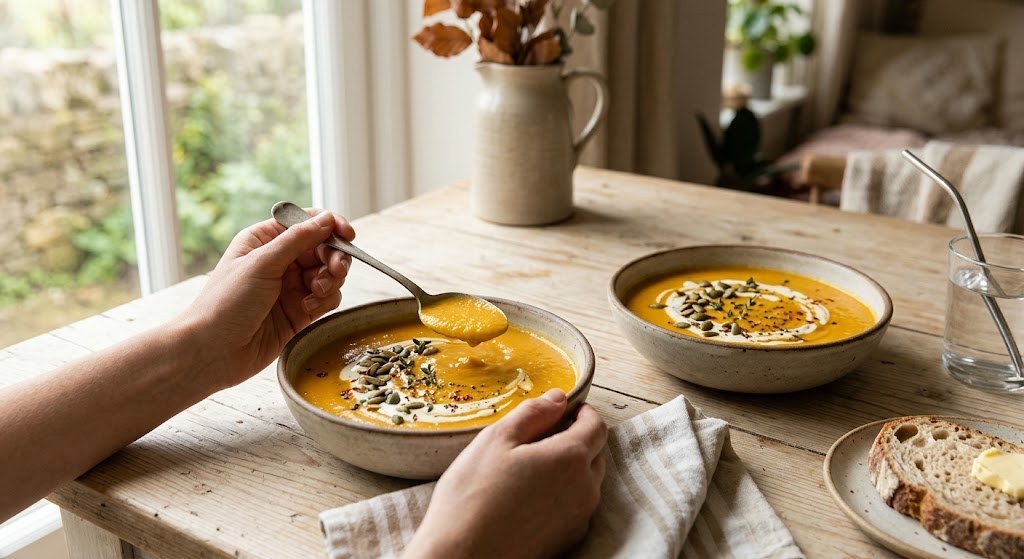
Pumpkin or squash · Onion · Carrot · Potato · Stock · Milk or coconut milk
About coconut milk: it makes the soup creamy, but adds a stronger smell and a sweeter taste. Some sensory eaters enjoy that, and some find it too much. Set aside a plain portion before you stir it in, so there are two versions to explore.
Washing the vegetables · Tipping chopped veg into the pan (with you close by) · Pouring in the stock · Pressing the blender button · Smelling the soup as it cooks · Stirring, or choosing the bowls
Tasting is optional. If they'd like to, they could dip a finger, touch a spoon to their lips, or just watch you eat it. All of these are wins.
Building a bridgeFood chaining starts with a food your child already eats and makes one small change at a time, so each new step feels familiar. Here are three autumn-friendly chains to try.
Safe foodTheir favourite plain crisps
Small changeA similar crisp in an orange colour or flavour
New foodBaked sweet potato crisps
Safe foodTheir usual plain chips
Small changeUsual chips with 2–3 sweet potato fries on the side
New foodMore sweet potato fries, with the usual chips still there
Safe foodTheir usual plain pasta
Small changeA little butternut sauce in a separate pot to look at or dip
New foodA tiny bit of sauce stirred through
SustainHalloween can bring a lot of sweets and a lot of worry. It's okay for sweets to be part of the fun. Making them "forbidden" often makes them more exciting. Try offering a few alongside a meal or snack, calmly and without making a big deal of it.
And if this month all you managed was to put a pumpkin on the kitchen table and let your child look at it? That's a step. Small steps count.
 For you

The evenings are getting darker, and after a long day of meals, school runs and bedtimes, it's so easy to keep going until you fall into bed. This month, I'd love you to create one small, cosy ritual that's just for you.
Think of it as your signal to slow down, even for a few minutes. You give so much at the table every day, and you deserve a little warmth back.
Until next month
Next month: bonfire night and getting ready for Christmas dinner, without the pressure.
If you would value a dietitian's view of your child's nutrition and eating pattern, start with the suitability check for my six-week programme.
Check programme suitabilityWith encouragement, Iwona
This newsletter is general information and isn't a substitute for individual advice. If you're worried about your child's eating, growth or health, please speak to your GP, health visitor or a registered dietitian.